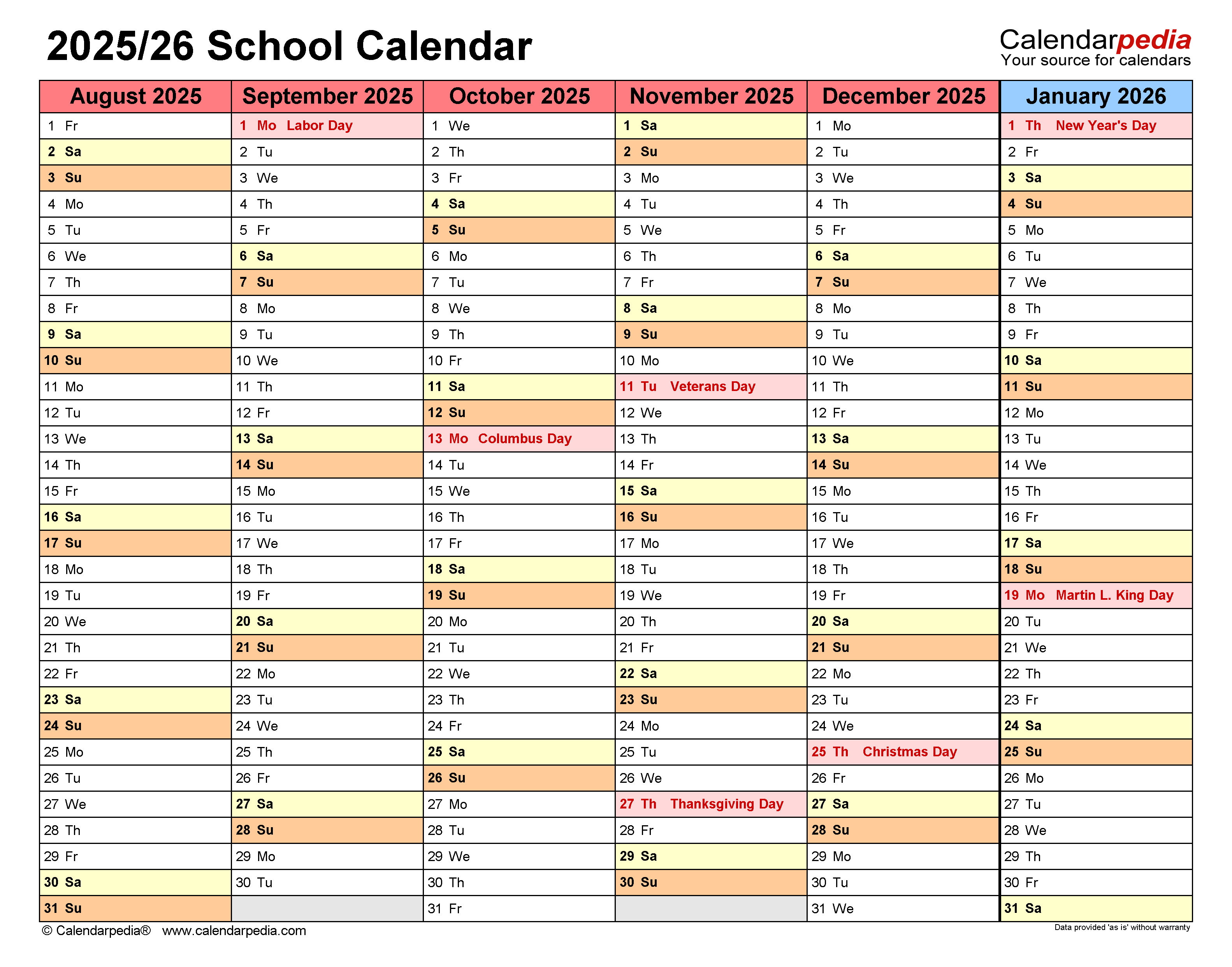
Students who miss critical deadlines on the Ivy Tech school calendar risk course drops, financial aid delays, or registration issues—often with no appeal. The calendar isn’t just a list of dates. It’s a strategic tool for academic success, financial planning, and balancing work, family, and school. Whether you're starting your first semester or returning after a break, aligning your routine with Ivy Tech’s academic timeline prevents costly oversights.
Unlike traditional four-year universities, Ivy Tech operates on rolling terms with multiple start dates each year. This flexibility is a major advantage—but only if you know when enrollment opens, when classes start, and when deadlines hit. This guide breaks down how to use the Ivy Tech school calendar effectively, what dates matter most, and how to avoid common scheduling pitfalls.
How the Ivy Tech Academic Calendar Works
Ivy Tech Community College, Indiana’s largest community college, operates on a multi-term academic model. Instead of just fall and spring semesters, it offers multiple sessions throughout the year, including summer terms and accelerated courses.
The standard academic structure includes:
- Fall Semester: Begins mid-August, ends mid-December
- Spring Semester: Begins mid-January, ends mid-May
- Summer Term: Begins mid-May, ends mid-August
Within each semester, there are main sessions and mini-sessions (or accelerated terms). For example, a 16-week course runs the full semester, while an 8-week course might start in week 1 or week 9. This means your personal schedule can look drastically different from another student’s—even if you’re in the same program.
Key Insight: Not all courses follow the same start and end dates. Always verify your class-specific dates in MyIvy, not just the general semester calendar.
Term Codes and Session Labels
Ivy Tech uses term codes (e.g., 202430 for Fall 2024) and session labels (Session 1, Session 2, Flex A, Flex B) to differentiate course timelines. These appear in course listings and registration tools.
Common session types:
| Session | Length | Typical Dates |
|---|---|---|
| Session 1 | 16 weeks | Full semester |
| Session 2 | 16 weeks | Full semester, alternate start |
| Flex A | 8 weeks | Weeks 1–8 |
| Flex B | 8 weeks | Weeks 9–16 |
| Summer 1 | 6–8 weeks | May–June |
| Summer 2 | 6–8 weeks | July–August |
If you're taking a mix of full-term and accelerated courses, your “semester” may be staggered. One class could end in week 8 while another continues until week 16.
Where to Find the Official Ivy Tech School Calendar
The primary source for academic dates is the Ivy Tech Academic Calendar page on the official website. But knowing where to look isn’t enough—you need to know what to look for.
Step-by-Step: Navigating the Calendar Page
- Go to ivytech.edu
- Search "academic calendar" or navigate via Current Students > Academic Resources
- Select your campus or view the system-wide calendar
- Filter by academic year (e.g., 2024–2025)
- Download the PDF or view the interactive table
Pro Tip: Bookmark the calendar page and set calendar alerts for key dates. The site doesn’t send reminders.
The downloadable calendar includes:
- Term start and end dates
- Registration windows
- Add/drop deadlines
- Last day to withdraw with a “W”
- Final exam periods
- Campus closure days (holidays, breaks)
- Commencement dates

Some campuses publish supplemental calendars for local events, advising days, or program-specific milestones. Check your campus homepage for additions.
Most Important Dates on the Ivy Tech Calendar
Missing a deadline on the Ivy Tech school calendar can have real consequences. Here are the five non-negotiable dates every student must track:
1. Registration Opens
Registration windows open several weeks before each term. For fall, it’s typically in April; for spring, in October. Summer registration opens in February.
- Why it matters: High-demand courses fill quickly. Waiting until the last minute can delay your progress.
- Example: Nursing prerequisites often fill within hours of registration opening. Students who don’t prepare their MyIvy checklist in advance miss out.
Action Step: Set a reminder 48 hours before registration opens. Log in early to verify your academic standing and advising requirements.
2. Last Day to Add a Class
You have a short window—usually 5–7 days after the term starts—to add courses without special permission.
- Late adds require form submission and faculty approval
- After this date, you can’t enroll unless space is available and the instructor consents
3. Last Day to Drop
with 100% Refund
This date is critical for financial planning. If you drop a class by this date, you get a full refund of tuition and fees.
- Typically falls in the first week of class
- Dates vary by session (e.g., Flex A vs. Session 1)
- After this date, refunds decrease incrementally
Common Mistake: Students assume dropping before the “W” deadline protects them financially. Not true. Refund eligibility ends much earlier.
4. Last Day to Withdraw (With a “W”)
You can withdraw from a course and receive a “W” on your transcript up to roughly midway through the term.
- For 16-week courses: ~week 8
- For 8-week courses: ~week 4
A “W” doesn’t affect GPA, but too many can raise concerns with financial aid or transfer institutions.
5. Final Exam Week
Finals don’t always align with the last week of class—especially for online or hybrid courses.
- On-campus courses: Follow the published final exam schedule
- Online courses: Often have set due dates during final exam week
- No early finals unless approved by disability support or extenuating circumstances
How to Sync the Ivy Tech Calendar with Your Personal Schedule
The official calendar is a system-wide guide. Your personal academic calendar should be more detailed and customized.
Build Your Semester Game Plan
- Download the academic calendar (PDF or Excel)
- Import key dates into Google Calendar or Outlook
- Add course-specific deadlines from your syllabi (midterms, project due dates)
- Label color-coded events (e.g., red for deadlines, blue for exams)
- Share with advisors or family if needed for accountability
Workflow Tip: Use recurring reminders. Set a monthly “academic check-in” to review upcoming deadlines.
Avoid These Scheduling Traps
- Assuming all classes follow the same timeline: A Flex B course starts after your Flex A class ends. Don’t skip orientation.
- Ignoring campus closure days: Ivy Tech closes for major holidays (Thanksgiving, Memorial Day), but online deadlines may still apply.
- Overloading early term: The first two weeks are critical for add/drop and refund decisions. Avoid overcommitting work hours during this period.
Special Dates for Online and Hybrid Students
Online learners often assume they’re not bound by the academic calendar. That’s false.
- Online classes have firm start and end dates
- Add/drop and withdrawal deadlines apply equally
- Proctored exams may require campus visits during final exam week
Hybrid courses combine online work with in-person sessions. Missing the campus meeting—even once—can impact your grade or result in withdrawal.
Real Use Case: A student in Indianapolis enrolled in a hybrid biology course. The syllabus listed one lab session on campus during week 6. They missed it, assuming it was optional. The instructor dropped them for non-attendance.
Always review your course syllabus and modality details in MyIvy Class Schedule.
Planning Ahead: Use the Calendar for Long-Term Success
The Ivy Tech school calendar isn’t just for this semester. Use it to map out your entire program.
Example: Two-Year Associate Degree Plan
Suppose you’re pursuing an associate degree in Business Administration:
- Year 1, Fall: Complete core courses (ENGL 111, MATH 136)
- Year 1, Spring: Register early for high-demand courses like ECON 201
- Summer: Take a gen-ed online to stay on track
- Year 2, Fall: Begin program-specific courses (BUSN 201, 202)
- Year 2, Spring: Capstone and graduation application
By aligning each term with the academic calendar, you avoid bottlenecks and stay eligible for financial aid.
Bonus Strategy: Apply for graduation before your final term. The deadline is typically in the first month of the semester. Late applications delay diploma processing.
Key Takeaways and How to Stay on Track
The Ivy Tech school calendar is more than a date list—it’s a success framework. Treat it like a contract with your future self.
- Check the official calendar every semester—dates shift slightly each year
- Know the difference between add/drop, refund, and withdrawal deadlines
- Sync your personal calendar with course-specific timelines
- Use accelerated terms strategically, but don’t overcommit
- Plan ahead for registration, exams, and graduation
Don’t wait for reminders. Ivy Tech won’t call you when registration opens or when a deadline looms. You own your schedule. The calendar is your map—use it wisely.
FAQ
Where is the Ivy Tech academic calendar located? The official calendar is on the Ivy Tech website under "Current Students" > "Academic Resources" > "Academic Calendar."
Do all Ivy Tech campuses follow the same calendar? Most dates are system-wide, but some campuses may have local variations. Always confirm with your campus academic office.
Can I take classes year-round at Ivy Tech? Yes. Ivy Tech offers fall, spring, and summer terms, with multiple start dates per semester for flexible scheduling.
What happens if I miss the add deadline? You’ll need instructor permission and a late add form. Approval isn’t guaranteed, especially for full courses.
Are holidays reflected on the Ivy Tech calendar? Yes. Campus closures for holidays like Labor Day, Thanksgiving, and Memorial Day are listed.
Do online classes have the same deadlines as on-campus courses? Yes. Add/drop, withdrawal, and refund deadlines apply equally to online, hybrid, and in-person courses.
How far in advance is the next academic year’s calendar released? Typically 6–8 months ahead. The fall calendar is usually published by March.
FAQ
What should you look for in Ivy Tech School Calendar: Key Dates and Planning Tips? Focus on relevance, practical value, and how well the solution matches real user intent.
Is Ivy Tech School Calendar: Key Dates and Planning Tips suitable for beginners? That depends on the workflow, but a clear step-by-step approach usually makes it easier to start.
How do you compare options around Ivy Tech School Calendar: Key Dates and Planning Tips? Compare features, trust signals, limitations, pricing, and ease of implementation.
What mistakes should you avoid? Avoid generic choices, weak validation, and decisions based only on marketing claims.
What is the next best step? Shortlist the most relevant options, validate them quickly, and refine from real-world results.